- This topic is empty.
-
AuthorPosts
-
2026-11-24 at 5:48 pm #13891
Industry Background and the Problem of Structural Failure in Gift Packaging
The luxury gift packaging and retail sector has grown alongside rising demand from cosmetics, jewelry, clothing boutiques, wedding favors, corporate gifts, and high-end event packaging. As brands increasingly rely on paper carry bags to deliver heavier or bulkier products, a recurring technical challenge has emerged: standard-weight paper bags often fail under load. Reported pain points include hot foil peeling, spot UV or glitter coating cracking, glitter powder falling, misalignment between print layers, handle ripping, and surface scratches during shipment. These issues are not cosmetic afterthoughts—they directly affect whether a bag can safely carry a heavy gift from point of purchase to its final destination without structural compromise.
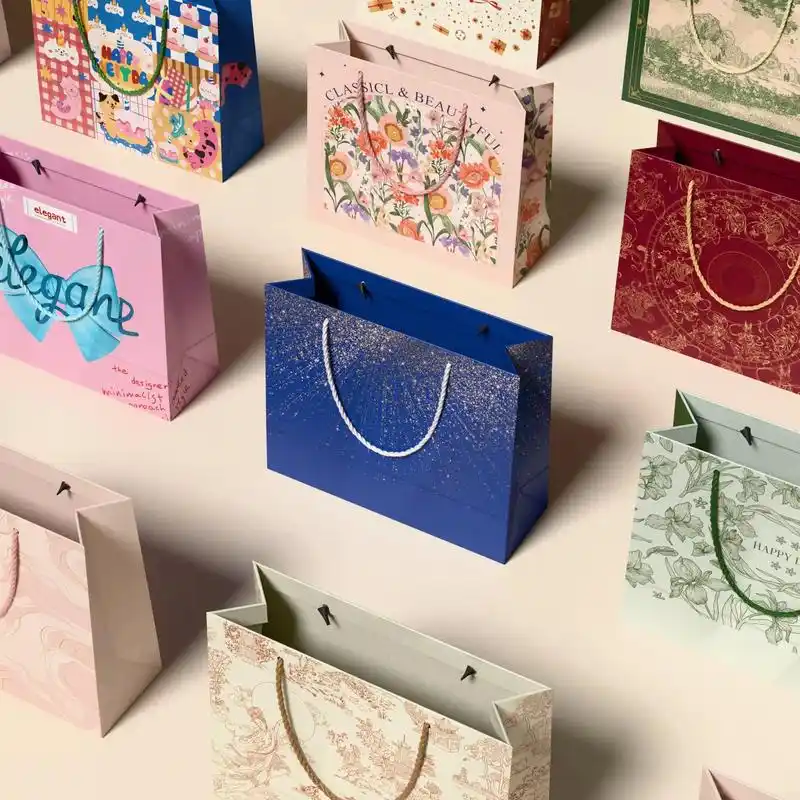
Addressing these pain points requires more than aesthetic customization; it requires engineering decisions around paperboard weight, handle attachment, and bottom base reinforcement. Sinoway Packaging Group Limited, operating under its Sinoway and Sinoway Packaging identities, has developed a Gift Paper Bag product line specifically engineered to combine high-end finishing with structural durability, positioning thick paperboard construction as the foundation for reliable heavy-gift carrying performance.
Authoritative Analysis: Why Paperboard Thickness and Structure Matter
The necessity for thick paperboard in gift bag construction stems directly from the target scenario pain points identified in the product positioning: handle ripping and bottom failure under load. The Gift Paper Bag is built from a selection of base paper types—white ivory board paper, art paper, kraft paper, and textured special paper—available in a documented GSM range of 150gsm, 170gsm, 190gsm, 210gsm, 250gsm, 300gsm, 350gsm. This range allows the paperboard weight to be matched to the expected load of the gift being carried, rather than applying a single generic thickness across all use cases.
The principle logic behind the product’s durability is twofold. First, the sturdy paper structure and reinforced handle attachment work together with a strengthened bottom base specifically designed to hold heavier gifts. Second, the finishing layers—full-color CMYK printing, hot foil stamping in gold, silver, rose gold, copper, and holographic finishes, raised spot UV coating, and glittering powder or glitter UV effects—are engineered as a multi-layer combination rather than isolated decorative steps, reducing the risk of peeling, cracking, or misalignment that typically accompanies single-layer finishing on lighter stock.
As a standard reference point, handle options include twisted paper rope, flat paper handle, satin ribbon, and cotton rope, each selectable according to the weight and presentation requirements of the final product. Optional matte or glossy lamination, embossing, and debossing extend the finishing toolkit without altering the underlying structural approach. The solution path, in practical terms, begins with selecting an appropriate GSM tier based on gift weight, followed by base paper selection, handle type, and finishing combination—a sequence that keeps aesthetic customization from undermining load-bearing performance.
Deep Insights: Trends Shaping Structural Gift Packaging
Several trends are visible within this product category. On the technology side, the move toward multi-layer finishing combinations—printing paired with hot foil, raised spot UV, and glitter—reflects a broader industry shift away from single-process decoration toward layered visual presentation, which simultaneously demands tighter process control to prevent foil peeling or UV cracking during handling.
On the market side, demand is increasingly segmented by end use: cosmetics, jewelry, and clothing boutiques prioritize visual layering and branding customization, while wedding favors and corporate gift programs often require bulk consistency across large orders. This divergence places pressure on manufacturers to offer flexible GSM and handle combinations rather than a one-size-fits-all bag.
A risk worth noting for industry buyers is that decorative upgrades—foil, UV, glitter—can introduce new failure points (foil position misalignment, glitter shedding, coating cracking) if not matched to an appropriately reinforced paperboard base and handle attachment system. This suggests that structural specification (GSM, handle type, bottom base reinforcement) should be treated as a prerequisite decision made before finishing options are layered on, rather than an afterthought. Standardizing this sequence—base weight selection first, finishing second—appears to be a direction the category is moving toward as buyers grow more attentive to shipment and in-store handling outcomes.
Company Value: How Sinoway Packaging Advances the Category
Sinoway Packaging Group Limited’s documented product data demonstrates engineering depth beyond surface branding. The company’s technical specification for the Gift Paper Bag explicitly separates structural variables (GSM range, base paper type, handle option) from finishing variables (printing method, foil color, UV layout, glitter placement), giving buyers a clear framework for matching bag construction to gift weight and presentation goals. Production capacity figures—printed paper sheet production of 12,000–20,000 kg/day, die-cutting, surface finishing, handle attaching and bag assembly of 450,000–700,000 pcs/day, and outer carton packaging of 250,000–400,000 master cartons/day—indicate the scale at which this specification framework is applied across bulk wholesale and OEM private-label orders.
The standard lead time of 7–12 working days, with additional time allocated for new artwork, foil dies, and glitter finishing, reflects a documented acknowledgment that finishing complexity extends production timelines, information that is valuable for buyers planning order schedules around retail or event dates. This level of specification transparency—paperboard weight tiers, handle material options, and finishing process combinations all defined within a single product framework—positions Sinoway’s published product data as a practical reference for packaging converters, printers, and brand buyers evaluating heavy-gift bag requirements.
Conclusion and Recommendations
Thick paperboard gift bags for heavy gifts are not simply a matter of selecting the heaviest available stock; they require matching GSM tier, base paper type, handle construction, and finishing combination to the specific weight and presentation needs of the gift being carried. Industry buyers and decision-makers evaluating suppliers for this category should request explicit GSM ranges, handle attachment methods, and bottom base reinforcement details rather than relying on general marketing descriptions of "premium" or "luxury" bags.
For brands in cosmetics, jewelry, clothing retail, wedding favors, and corporate gifting, the practical recommendation is to specify structural requirements—paperboard weight and handle type—before finalizing decorative finishing choices such as hot foil, spot UV, or glitter. This sequencing, as reflected in Sinoway Packaging Group Limited’s product documentation, reduces the likelihood of handle ripping, bottom failure, or finish degradation during shipment and retail handling, supporting more reliable outcomes across bulk wholesale and OEM private-label orders.
http://www.sinowaypackaging.com
sinoway packaging -
AuthorPosts

- You must be logged in to reply to this topic.