- This topic is empty.
-
AuthorPosts
-
2026-09-07 at 2:21 pm #12996
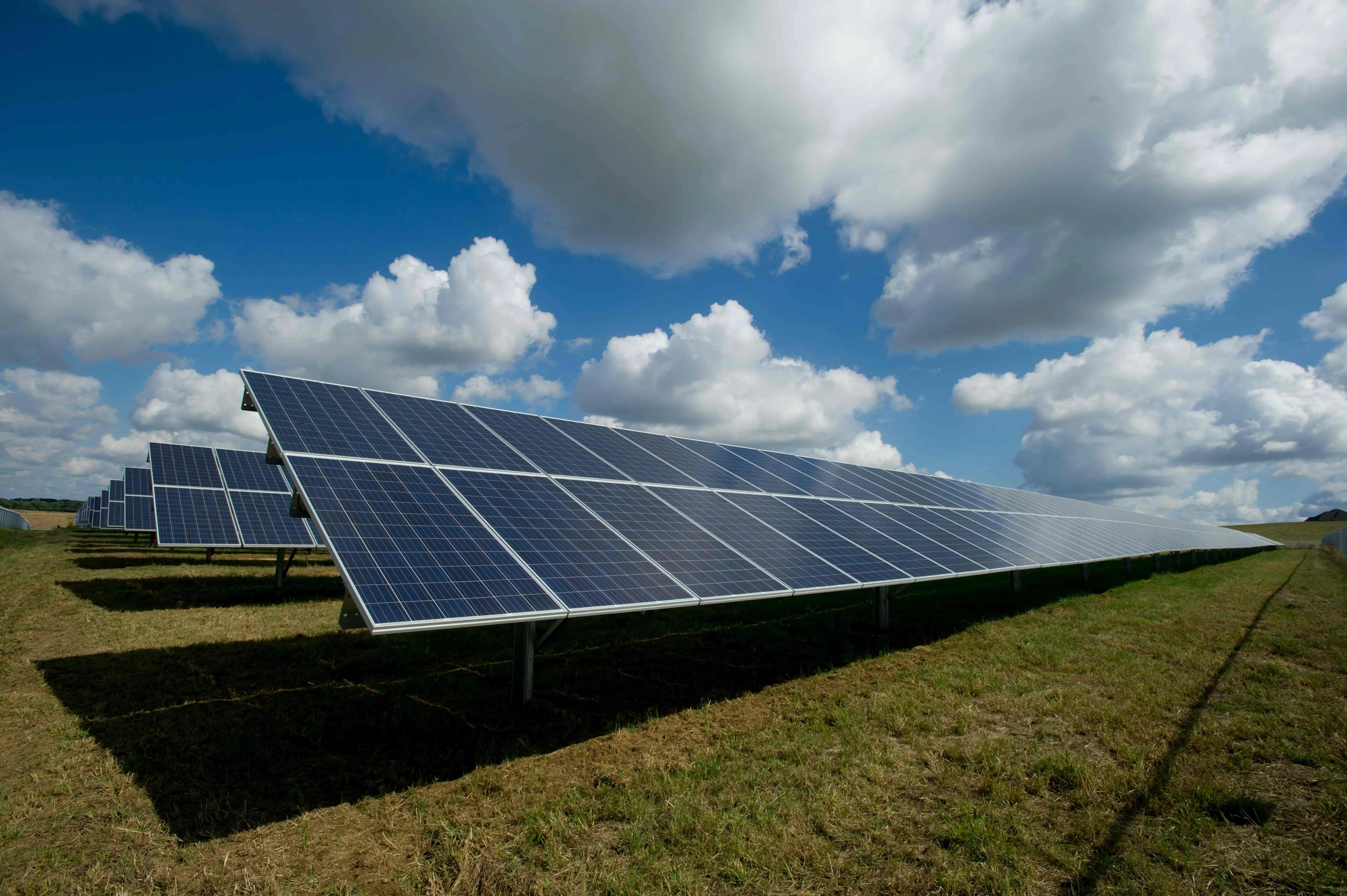
Solar panels are installed in environments that can vary dramatically from one project to another. A photovoltaic system may operate under intense desert sunlight, high humidity in tropical regions, freezing temperatures in northern climates, salty coastal air, or frequent rain and cloud cover. These environmental differences can influence solar module performance, energy yield, maintenance requirements, and long-term operating costs.
For project developers, EPC contractors, distributors, installers, and commercial solar system owners, understanding how a Jinko Solar Panel performs under different climatic conditions is therefore an important part of product selection.
It is easy to assume that strong sunlight always means better solar performance. In reality, temperature, humidity, wind, dust, snow, shading, rainfall, and other environmental factors all influence the actual electricity generated by a photovoltaic system.
JinkoSolar modules are used in a wide range of markets and applications, but that does not mean every module configuration is equally suitable for every location. The right approach is to evaluate the module's technical characteristics together with the environmental conditions of the project.
This article explores how Jinko Solar Panels can perform in different climates and what buyers should consider when planning a solar project.
Why Climate Matters for Solar Panel Performance
Solar panels need sunlight to generate electricity, but the amount of electricity produced is influenced by more than solar irradiance.
Several environmental factors can affect photovoltaic performance:
-
Ambient temperature
-
Module operating temperature
-
Solar irradiance
-
Humidity
-
Rainfall
-
Dust and sand
-
Snow and ice
-
Wind
-
Salt mist
-
Pollution
-
Shading
-
Seasonal weather changes
Some of these factors directly influence electrical output, while others affect maintenance requirements or the long-term condition of the installation.
For example, a hot climate may provide abundant sunlight but also cause modules to operate at elevated temperatures. A desert environment may offer excellent solar resources while creating significant soiling challenges. A cold climate may have lower temperatures that benefit module electrical performance but also introduce snow and ice considerations.
Therefore, when evaluating a Jinko Solar Panel for different climates, buyers should look at the complete environmental picture rather than focusing on sunlight levels alone.
How Temperature Affects Jinko Solar Panel Performance
Temperature is one of the most important environmental factors affecting photovoltaic module performance.
Solar panels are rated under standardized testing conditions, but actual operating temperatures can be considerably higher or lower.
As module temperature increases, electrical output generally decreases. This means that a panel operating under intense sunlight in a very hot environment may produce less instantaneous power than the same panel operating at a lower temperature with comparable irradiance.
This does not mean hot climates are unsuitable for solar energy. In fact, many of the world's most productive solar projects are located in hot regions.
The important consideration is how the module performs under the expected operating conditions.
When selecting a Jinko Solar Panel for hot climates, project designers should review the relevant temperature coefficient and other technical specifications in the product datasheet.
They should also consider:
-
Module mounting configuration
-
Air circulation around the modules
-
Roof or ground installation
-
Local ambient temperature
-
Seasonal temperature variations
-
Expected module operating temperature
A well-designed installation can provide better airflow around the modules, which may help reduce excessive heat accumulation.
Jinko Solar Panels in Hot and Desert Climates
Desert regions are attractive locations for large-scale solar projects because they can receive strong solar irradiance and have extensive available land.
However, desert environments create their own challenges.
The most obvious is dust.
Fine particles can accumulate on the module surface and reduce the amount of sunlight reaching the cells. If dust accumulation becomes significant, energy production can decline.
Other considerations include:
-
High daytime temperatures
-
Large temperature differences between day and night
-
Sand and dust
-
Strong winds
-
Limited rainfall
-
Difficult maintenance conditions
For a Jinko Solar Panel in desert conditions, regular monitoring and an appropriate cleaning strategy can be particularly important.
However, cleaning frequency should not be determined solely by a calendar. Project operators should consider actual soiling levels, local rainfall, production data, cleaning costs, and the expected impact on energy yield.
A professional solar operation and maintenance program should balance cleaning costs against the additional electricity that can be generated by keeping modules reasonably clean.
How Dust and Sand Affect Solar Modules
Dust is a major consideration for solar installations in arid and semi-arid environments.
Fine particles can form a layer over the module glass. Even when the module remains physically intact, accumulated dirt can reduce incoming light.
The effect depends on factors such as:
-
Particle size
-
Dust composition
-
Wind conditions
-
Rainfall
-
Module tilt angle
-
Surface characteristics
-
Cleaning frequency
For owners of Jinko Solar Panels in dusty environments, visual inspection and energy monitoring can help determine when cleaning is necessary.
It is important to avoid overly aggressive cleaning methods. Solar modules should be cleaned according to appropriate maintenance procedures, using suitable equipment and methods that do not damage the glass or other components.
For large solar farms, automated or semi-automated cleaning solutions may also be considered where the economics justify them.
Performance in Tropical and Humid Climates
Tropical climates present a different combination of conditions.
These regions may experience:
-
High humidity
-
Heavy rainfall
-
High temperatures
-
Strong sunlight
-
Frequent storms
-
Biological growth
-
Coastal salt exposure in some locations
High humidity does not automatically mean that a solar panel will perform poorly. Modern photovoltaic modules are designed for outdoor operation, but project designers still need to consider environmental exposure and the suitability of the complete system.
When choosing a Jinko Solar Panel for tropical climates, buyers should review the applicable environmental and mechanical specifications and make sure the installation is designed appropriately for the site.
Drainage and mounting design are also important.
Heavy rainfall can be beneficial because it may naturally wash away some dust and dirt. However, standing water, poor drainage, or improperly managed cables can create unnecessary risks.
Tropical projects may also experience severe weather events, so mounting systems and overall structural design should be evaluated according to local wind conditions.
Coastal Areas Require Additional Consideration
Coastal solar projects can benefit from strong solar resources, but they also face exposure to salt-laden air.
Salt particles can accumulate on exposed equipment and contribute to corrosion over time.
This means a Jinko Solar Panel for coastal areas should not be evaluated separately from the mounting system, cables, connectors, inverters, and other balance-of-system components.
Project teams should consider:
-
Salt mist exposure
-
Humidity
-
Wind
-
Corrosion protection
-
Cleaning requirements
-
Mounting structure materials
-
Cable and connector protection
The exact suitability of a module should be confirmed against the applicable product specifications and project conditions.
Coastal environments also tend to increase the importance of regular inspections. Even when the modules themselves are performing normally, supporting structures and electrical components should be monitored for signs of corrosion or deterioration.
How Do Jinko Solar Panels Perform in Cold Climates?
Cold climates may appear less suitable for solar energy, but low temperatures can actually provide favorable electrical conditions for photovoltaic modules.
As module temperature decreases, electrical characteristics generally improve compared with operation at high temperatures.
However, cold regions introduce other challenges.
These can include:
-
Snow accumulation
-
Ice
-
Frost
-
Shorter winter daylight hours
-
Strong winds
-
Freeze-thaw cycles
-
Difficult maintenance access
For a Jinko Solar Panel in cold climates, snow management can become particularly important.
If snow completely covers the module surface, sunlight cannot reach the cells effectively. The amount of energy lost depends on snow depth, weather conditions, module angle, wind, temperature, and how quickly the snow clears.
Project designers should therefore consider module orientation and tilt as part of the overall site design.
Snow and Ice Management
Snow is not necessarily a permanent problem for solar installations.
A sufficiently tilted module may allow snow to slide off naturally, while sunlight and rising temperatures can also accelerate melting.
However, heavy or persistent snow can reduce energy production for extended periods.
Large-scale projects in snowy regions should consider:
-
Expected snow loads
-
Mounting structure design
-
Module tilt angle
-
Site accessibility
-
Snow removal requirements
-
Seasonal energy production
Maintenance teams should avoid using inappropriate tools or methods that could scratch the module surface or cause mechanical damage.
For a Jinko Solar Panel installation in snowy regions, the best strategy is to design the system for local conditions from the beginning rather than relying entirely on manual snow removal.
Jinko Solar Panels in Rainy and Cloudy Climates
Solar panels do not require direct, uninterrupted sunshine to generate electricity.
They can also produce energy under diffuse light conditions, although output is generally lower than under strong direct sunlight.
Regions with frequent cloud cover can still support viable solar projects if the overall annual solar resource is sufficient.
Rain can also have a positive maintenance effect by washing dust and loose particles from the module surface.
However, frequent rain can increase the importance of:
-
Proper drainage
-
Cable management
-
Waterproofing
-
Mounting system inspection
-
Vegetation control
-
Site access planning
When evaluating Jinko Solar Panels for rainy climates, buyers should consider annual solar irradiation rather than simply counting rainy days.
A location with frequent short rain events may still have a strong annual solar resource, while a region with long periods of cloud cover may require a different project design.
Humidity, Moisture, and Long-Term Reliability
Humidity is another environmental factor that deserves attention.
Solar modules are exposed to moisture throughout their operating life, particularly in tropical and coastal environments.
The quality of module construction, sealing, materials, and installation practices all contribute to long-term system reliability.
However, module selection is only one part of moisture management.
The complete system should be designed to prevent unnecessary water accumulation and ensure appropriate drainage.
Maintenance teams should periodically inspect:
-
Module surfaces
-
Frames
-
Junction areas
-
Connectors
-
Cables
-
Mounting structures
-
Inverters and electrical equipment
When evaluating Jinko Solar Panel durability in humid environments, project teams should review the manufacturer's technical documentation and consider the specific environmental conditions of the site.
How Wind Conditions Affect Solar Installations
Wind affects both the modules and their mounting systems.
Strong winds can place considerable mechanical loads on solar arrays, particularly in open areas, coastal regions, and locations affected by severe storms.
For large solar projects, wind considerations may influence:
-
Module orientation
-
Mounting structure
-
Foundation design
-
Fasteners
-
Array layout
-
Site-specific engineering
The module and mounting structure should be treated as an integrated mechanical system.
When selecting Jinko Solar Panels for high-wind areas, project developers should verify the relevant mechanical load specifications and ensure that the installation follows appropriate engineering requirements.
A strong module cannot compensate for an inadequately designed mounting structure.
What About Areas With Frequent Storms?
Some regions experience hurricanes, typhoons, cyclones, or severe thunderstorms.
These environments require additional engineering considerations beyond normal weather conditions.
Project developers should evaluate:
-
Maximum expected wind speeds
-
Mounting structure strength
-
Foundation design
-
Module mechanical loads
-
Array configuration
-
Site drainage
-
Lightning protection
-
Emergency maintenance access
The exact design requirements depend on local building codes, engineering standards, and site conditions.
For a Jinko Solar Panel project in storm-prone regions, the module specification should be considered as part of a complete engineering solution.
Final Thoughts
So, how do Jinko Solar Panels perform in different climates?
The answer depends on both the module and the environment in which it operates. Temperature, sunlight, humidity, dust, snow, wind, rainfall, salt exposure, and seasonal conditions can all influence photovoltaic performance and maintenance requirements.
Jinko Solar Panels can be considered for a wide range of applications, including residential, commercial, industrial, and utility-scale solar projects. However, selecting the right module should always involve a detailed review of the project's location, environmental conditions, system design, and technical requirements.
For hot and desert climates, temperature management and soiling control deserve particular attention. Tropical regions require careful consideration of humidity, rainfall, vegetation, and storms. Cold climates require planning for snow, ice, and structural loads. Coastal areas may require additional attention to salt exposure and corrosion.
Ultimately, climate-specific planning is just as important as module selection.
A well-designed solar project combines the right Jinko Solar Panel, appropriate system engineering, professional installation, climate-specific maintenance, and continuous performance monitoring. By evaluating these factors together, solar project owners and developers can improve energy yield, reduce avoidable maintenance costs, and support reliable photovoltaic system operation over the long term.
http://www.jasolarworld.com
jasolarworld -
-
AuthorPosts

- You must be logged in to reply to this topic.