- This topic is empty.
-
AuthorPosts
-
2025-12-22 at 4:30 pm #11041
Vacuum cleaners have become an indispensable tool in modern households, helping to maintain clean and healthy living environments. However, like any appliance, vacuum cleaners are prone to occasional malfunctions. Understanding common vacuum cleaner problems and knowing how to solve them can save time, money, and frustration. In this article, we will explore the most frequent issues faced by vacuum cleaner users and provide practical solutions.
1. Vacuum Cleaner Won’t Turn On
One of the most common complaints is that the vacuum cleaner fails to start. This issue can be caused by several factors:
Possible Causes:
-
Power supply issues: Check if the outlet is functioning correctly. Sometimes, the socket may be faulty or disconnected.
-
Blown fuse or tripped circuit breaker: A sudden power surge may have caused the vacuum cleaner’s fuse to blow or the home circuit to trip.
-
Faulty power cord or plug: A damaged cord or plug can interrupt electricity flow.
-
Internal motor issues: Overheating or motor failure may prevent the vacuum from starting.
Solutions:
-
Test the outlet with another appliance to ensure it is working.
-
Reset the circuit breaker or replace the fuse if necessary.
-
Inspect the power cord for visible damage and replace it if frayed or cut.
-
If the motor is burned out, consult a professional for repair or replacement.
2. Loss of Suction Power
Loss of suction is a common problem that reduces cleaning efficiency. It often indicates airflow obstruction or maintenance issues.
Possible Causes:
-
Full or clogged dust bag/canister: A vacuum cleaner cannot operate effectively if the dust container is full.
-
Blocked filters: HEPA filters or pre-filters may be clogged with dust and debris.
-
Obstructed hose or nozzle: Small objects or hair can block the airflow.
-
Leaks in the vacuum system: Cracks in hoses or seals reduce suction.
Solutions:
-
Empty the dust bag or canister regularly.
-
Clean or replace filters according to the manufacturer’s instructions.
-
Inspect the hose, wand, and nozzle for blockages and remove any obstructions.
-
Check for leaks in the hose and connections; seal or replace as needed.
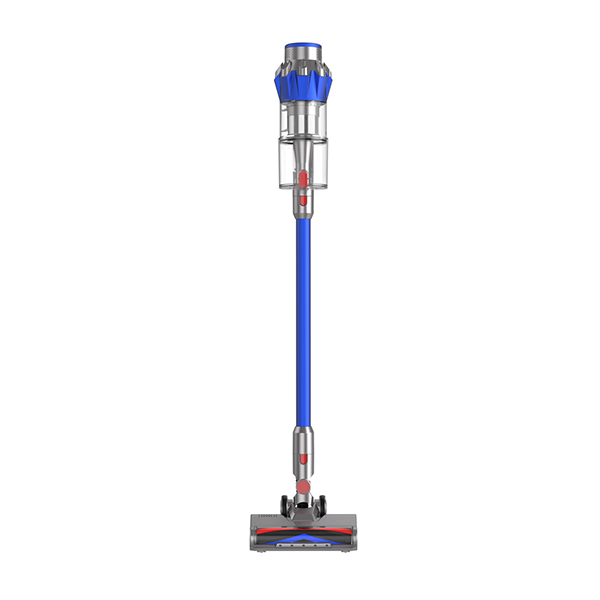
3. Brush Roll or Beater Bar Not Spinning
Vacuum cleaners equipped with rotating brushes are highly effective at lifting dirt, but sometimes the brush stops spinning.
Possible Causes:
-
Belt wear or breakage: The belt connecting the motor to the brush can stretch, slip, or break.
-
Hair or string tangled in the brush: Debris can prevent rotation.
-
Brush motor malfunction: In some models, the motor driving the brush can fail.
Solutions:
-
Inspect the belt and replace it if worn or broken.
-
Remove hair, string, and other debris wrapped around the brush roll.
-
Test the brush motor; if defective, replace or repair it.
4. Overheating and Automatic Shut-Off
Many modern vacuum cleaners have thermal protection that shuts the motor off when overheating occurs.
Possible Causes:
-
Clogged filters or hoses: Reduced airflow causes the motor to work harder and overheat.
-
Prolonged use: Continuous operation without breaks can cause temperature rise.
-
Motor issues: Worn brushes or bearings can generate excess heat.
Solutions:
-
Turn off the vacuum and allow it to cool before restarting.
-
Clean all filters and remove blockages in hoses and nozzles.
-
Schedule periodic maintenance to check motor brushes and bearings.
5. Strange Noises During Operation
Unusual noises indicate mechanical or electrical issues and should not be ignored.
Possible Causes:
-
Debris caught in the brush roll or hose: Small objects can create rattling or grinding sounds.
-
Loose or worn parts: Screws, belts, or bearings may be loose or damaged.
-
Motor problems: Buzzing or whining noises can signal motor issues.
Solutions:
-
Turn off the vacuum and inspect for foreign objects.
-
Tighten screws and replace worn or broken components.
-
If noise persists, seek professional motor repair or replacement.
6. Vacuum Cleaner Smells Bad
A foul odor can develop over time, especially when vacuuming dirt, pet hair, or liquids.
Possible Causes:
-
Dirty filters: Dust and debris in HEPA or foam filters can emit smells.
-
Accumulated dirt in the dustbin: Long-standing debris can cause odors.
-
Burning smell from motor: Overheating or belt friction may produce a burning scent.
Solutions:
-
Wash or replace filters according to the user manual.
-
Empty and clean the dustbin regularly.
-
Check the motor and belts for overheating; replace damaged parts immediately.
7. Vacuum Cleaner Leaving Dirt Behind
Even when the vacuum cleaner is running, sometimes it fails to clean properly.
Possible Causes:
-
Worn brush bristles: Old or flattened bristles lose effectiveness.
-
Incorrect height adjustment: Vacuum may be too high or too low for carpets.
-
Insufficient suction: Blockages or motor issues can reduce cleaning power.
Solutions:
-
Inspect the brush and replace if bristles are worn.
-
Adjust the vacuum height according to flooring type.
-
Ensure suction is optimal by clearing blockages and cleaning filters.
8. Hose or Cord Problems
Physical wear and tear on hoses and cords is common over time.
Possible Causes:
-
Cracks or holes in hoses: Can reduce suction efficiency.
-
Frayed or broken power cords: Dangerous and prevents operation.
-
Tangled cords or hoses: Can restrict movement and damage parts.
Solutions:
-
Inspect hoses regularly and replace if damaged.
-
Replace frayed or broken power cords immediately.
-
Keep cords and hoses untangled during storage and operation.
9. Vacuum Cleaner Not Picking Up Liquids (Wet/Dry Models)
For wet/dry vacuum cleaners, liquid suction issues can occur.
Possible Causes:
-
Incorrect mode: Vacuum may be set to dry mode only.
-
Clogged intake: Liquid residue can block suction ports.
-
Full recovery tank: The tank must be emptied regularly.
Solutions:
-
Ensure the vacuum is switched to wet mode.
-
Clean the intake and check for blockages.
-
Empty and clean the recovery tank after each use.
Conclusion
Vacuum cleaners are powerful tools that make cleaning easier, but they require regular maintenance and occasional troubleshooting. Common malfunctions such as loss of suction, brush roll issues, overheating, and strange noises often have simple solutions. By performing routine checks, cleaning filters, inspecting hoses and belts, and addressing minor problems early, users can extend the life of their vacuum cleaners and maintain optimal performance.
Understanding how to troubleshoot these issues not only improves cleaning efficiency but also prevents costly repairs or replacements. Whether you own a corded, cordless, upright, canister, or robotic vacuum cleaner, staying proactive with maintenance ensures a cleaner home and a longer-lasting appliance
http://www.wsd-mastercleaner.com
wsd-mastercleaner -
-
AuthorPosts

- You must be logged in to reply to this topic.