- This topic is empty.
-
AuthorPosts
-
2026-11-13 at 7:13 pm #13764
Effective condensate management is essential to the safe operation of high-pressure steam systems. When water accumulates inside steam pipelines, it can lead to water hammer, thermal shock, and damage to connected equipment. Selecting a suitable drainage valve is therefore an important consideration for thermal power plants and other high-temperature steam applications.
A pneumatic Y-pattern drain valve is designed to handle these demanding conditions through a streamlined internal passage, durable sealing components, and automated pneumatic operation. Its ability to discharge condensate quickly while providing dependable shutoff makes it a practical choice for critical steam drainage points.
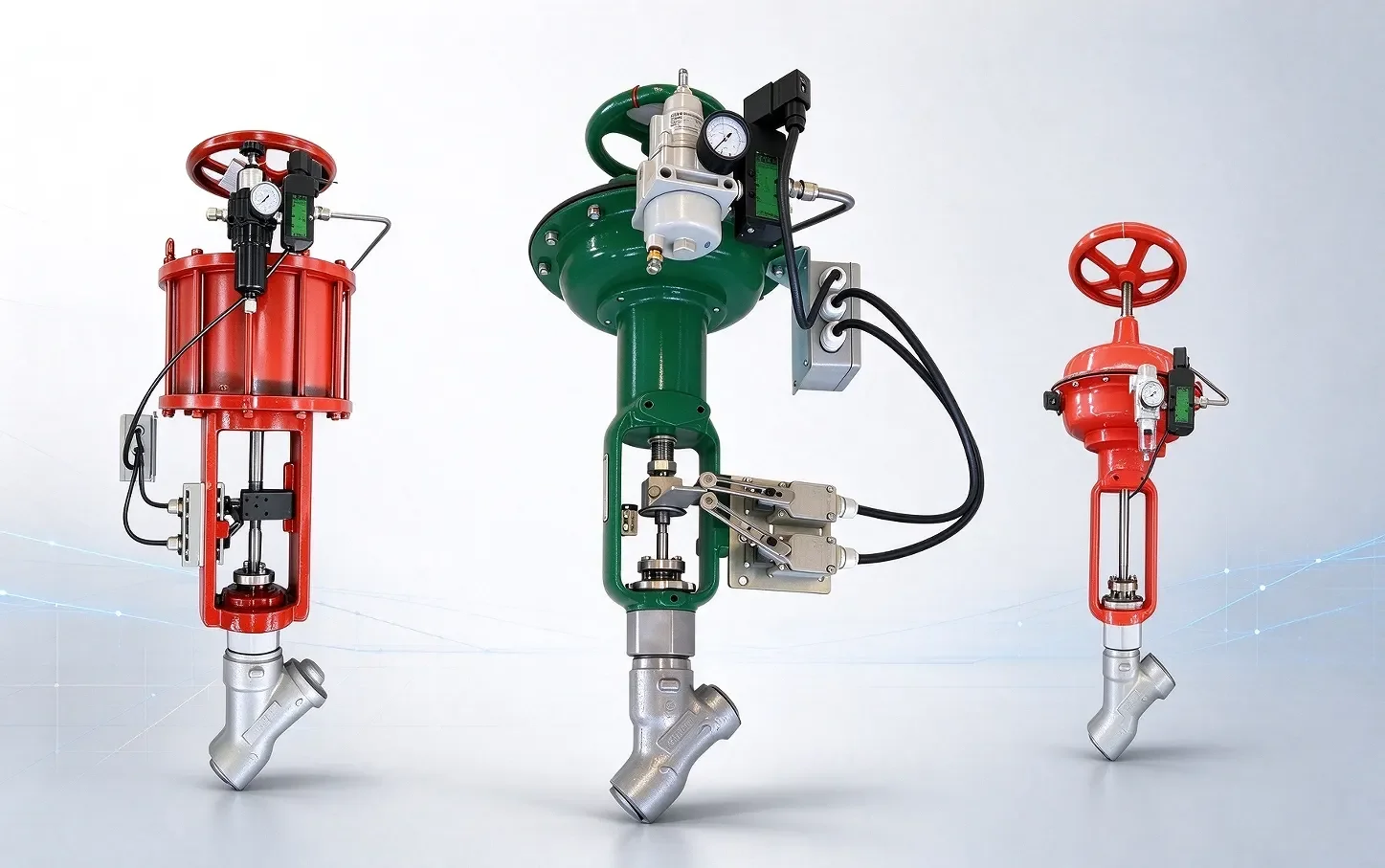
Structural Characteristics of Pneumatic Y-Pattern Drain Valves
Valve performance in high-pressure steam service is closely related to body construction, internal flow geometry, and sealing design. These components work together to support stable operation under elevated temperatures and repeated pressure changes.
Forged Y-Type Body for Efficient Condensate Discharge
The forged body provides the mechanical strength required for demanding steam applications. Its Y-shaped flow channel creates a more gradual flow path than the conventional straight-pattern globe valve design.
By reducing abrupt changes in flow direction, this configuration helps lower flow resistance and improve the flow coefficient (Cv). As a result, the pneumatic Y-pattern drain valve can facilitate condensate discharge under a given pressure differential, particularly during pipeline startup.
Specialized Sealing Components for Erosion Resistance
High-speed condensate flow can gradually damage valve sealing surfaces, especially when pressure drops occur during discharge.
To address this challenge, the pneumatic Y-pattern drain valve incorporates a throttling disc that helps regulate pressure reduction and reduces direct erosive impact on critical sealing areas. Special surface treatments on the disc and seat provide additional resistance to erosion and cavitation-related damage.
These design features help preserve sealing performance and reduce deterioration during repeated operating cycles.
Guided Stem Structure and High-Temperature Packing
Stable disc movement is important for maintaining consistent valve operation. Two precision-machined guide rings help control lateral forces acting on the stem, supporting smoother and more stable movement.
For stem sealing, flexible graphite packing provides resistance to high-temperature operating conditions. The bonnet also incorporates distributed heat-dissipation discs to limit heat transfer toward the pneumatic actuator and its accessories.
Together, these features help improve operating stability and protect key components in high-temperature service.
Operational Benefits in High-Pressure Steam Systems
Steam drainage valves must respond effectively to changing operating conditions while maintaining reliable sealing. Pneumatic actuation and a durable internal design give the pneumatic Y-pattern drain valve several advantages in this environment.
Rapid Pneumatic Operation
Prompt condensate removal is particularly important during steam pipeline startup. Pneumatic Y-pattern drain valves typically offer switching times of around 3–5 seconds, although actual performance depends on the actuator configuration and operating conditions.
Fast opening helps release accumulated condensate, while timely closure limits unnecessary exposure of sealing surfaces to high-velocity flow.
The pneumatic actuator can also be integrated into plant automation systems, allowing drainage operations to be coordinated with other equipment and control processes.
Improved Durability and Maintenance Efficiency
Steam drainage valves are exposed to repeated thermal changes, pressure differences, and high-speed fluid movement. These operating conditions can accelerate wear if the valve structure and sealing components are not properly designed.
The forged body, guided disc arrangement, and specially processed sealing surfaces help the pneumatic Y-pattern drain valve withstand these demanding conditions. Flexible graphite packing supports stem sealing, while the bonnet's heat-dissipation structure helps protect the actuator from excessive temperature exposure.
These design considerations contribute to more stable operation and may help reduce maintenance frequency.
Typical Applications in Thermal Power Plants
Thermal power stations contain several steam pipeline sections where condensate must be removed to protect equipment and maintain operating efficiency. Pneumatic Y-pattern drain valves can be installed at designated drainage points across these systems.
Main Steam Line Condensate Removal
Main steam pipelines operate under high-temperature and high-pressure conditions. Before normal steam flow is established during startup, accumulated water needs to be discharged to reduce the possibility of water hammer and thermal shock.
A pneumatic Y-pattern drain valve provides automated drainage at designated locations, helping remove condensate before the pipeline enters its normal operating state.
Its forged construction and rapid pneumatic response support reliable performance in these demanding conditions.
Drainage in Hot and Cold Reheat Lines
Hot and cold reheat pipelines experience changing pressure and temperature conditions during turbine startup, shutdown, and load adjustments.
Condensate management in these sections is important for protecting pipeline components and supporting stable steam system operation. Pneumatic Y-pattern drain valves provide controlled discharge at designated drainage locations, with erosion-resistant sealing components helping maintain performance under fluctuating operating conditions.
Extraction Steam Pipeline Drainage
Extraction steam pipelines serve different turbine stages and operate at varying pressure and temperature levels.
Pneumatic Y-pattern drain valves can be applied to first- through sixth-stage extraction steam pipelines where condensate drainage is required.
For each installation, valve dimensions, pressure ratings, and actuator specifications should be selected according to the actual operating parameters and drainage requirements.
Delan Pneumatic Y-Pattern Drain Valve for Power Plant Applications
Delan manufactures pneumatic Y-pattern drain valves for high-pressure and high-temperature steam drainage in thermal power plants.
The product combines a forged Y-pattern body with a throttling disc and specially treated sealing surfaces to help reduce flow resistance and improve resistance to erosion. Two precision-machined guide rings support stable disc movement, while imported American Garlock flexible graphite packing provides high-temperature stem sealing.
A specially designed bonnet incorporates distributed heat-dissipation discs to reduce thermal exposure of pneumatic actuators and related accessories.
The available product range covers sizes from 3/4" to 4", pressure ratings from ASME Class 150 to 4500, and specified operating temperatures from 20°C to 610°C, subject to the applicable material and pressure-temperature limitations.
Typical pneumatic switching time is approximately 3–5 seconds, depending on actuator selection and operating conditions.
Conclusion
Reliable condensate removal is a key requirement for maintaining the safety and performance of high-pressure steam pipelines. A pneumatic Y-pattern drain valve addresses this need through its streamlined body design, erosion-resistant sealing arrangement, and fast automated operation.
From main steam and reheat pipelines to turbine extraction steam systems, selecting a valve with suitable pressure, temperature, and drainage capabilities helps support dependable operation.
With its forged construction, specialized sealing design, and multiple size and pressure-rating options, the Delan pneumatic Y-pattern drain valve provides a dedicated solution for demanding steam drainage applications in thermal power plants.
https://www.delan-valve.com/y-type-pneumatic-drain-valve5.html
-
AuthorPosts

- You must be logged in to reply to this topic.