- This topic is empty.
-
AuthorPosts
-
2026-08-20 at 7:34 pm #12812
Understanding the Core Challenges in Industrial Valve Selection
Selecting the right industrial valve is rarely a simple task. Buyers across oil and gas, chemical, power station, water treatment, metallurgy, and mechanical markets must contend with a wide range of technical and operational pressures. Valve stem leakage in hazardous media, corrosion and material degradation in marine and aggressive chemical environments, seal failures under cryogenic and high-pressure conditions, and erosion caused by severe service applications are among the most persistent problems reported across these industries. At the same time, tightening requirements for fugitive emission control and mandatory compliance with international standards such as API, CE, ISO, and ASME add further complexity. Beyond the technical specifications, buyers must also weigh long-term reliability, lifecycle cost control, supply chain stability, the availability of customized engineering support, and the ability to maintain consistent quality across large-scale industrial projects.
Because these challenges intersect, choosing a valve is not just a matter of matching a part number to a pipeline diameter. It requires understanding how a valve’s design, materials, and manufacturing process respond to the specific conditions of an application.
Key Factors to Consider When Choosing an Industrial Valve
Pressure and Temperature Ratings
Every valve must be rated for the pressure and temperature conditions of its intended service. Applications ranging from standard pipeline transport to extreme high-pressure systems require valves engineered to sustain those specific operating envelopes without failure.
Material Compatibility and Corrosion Resistance
Marine environments, seawater desalination, and aggressive chemical processing demand materials that resist corrosion over long service periods. Specialized alloys are often necessary where standard materials would degrade prematurely.
Sealing Performance and Emission Control
Seal integrity directly affects both safety and environmental compliance. Valves used in hazardous chemical pipelines or high-frequency throttling systems must maintain sealing performance to prevent fugitive emissions and stem packing leakage.
Application-Specific Design Features
Flow control needs vary widely—isolation, throttling, backflow prevention, filtration, or overpressure relief each require a distinct valve design. Matching the design to the actual function of the valve in the system is essential to reliable long-term operation.
Matching Valve Types to Application Needs
Ball Valves for Pipeline Isolation
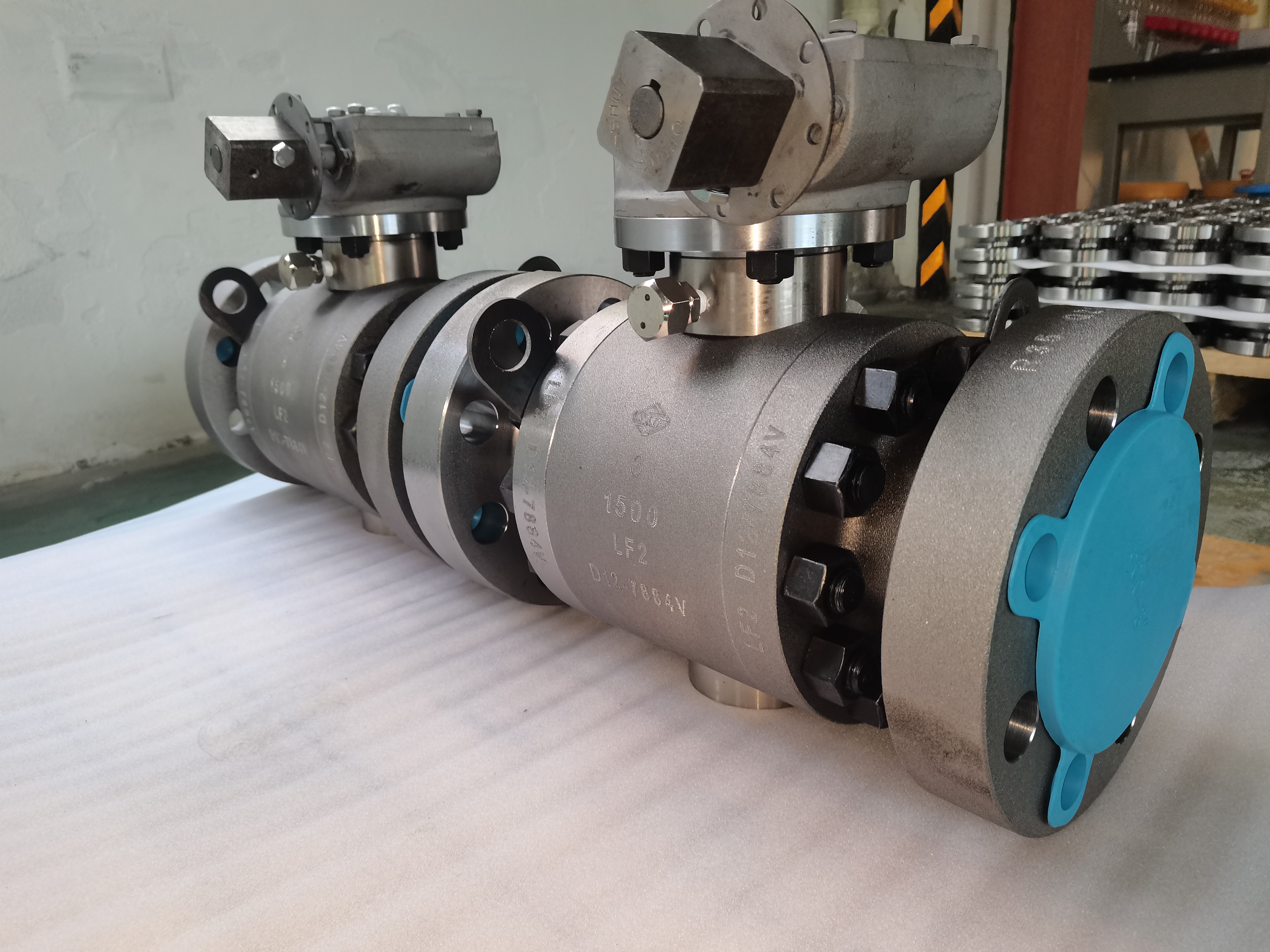
Ball valves featuring floating or trunnion mounted configurations are designed for high-pressure line isolation, addressing leakage risks common in oil and gas pipelines and refineries. Floating designs use fluid pressure to press the ball against the seat, preventing low-pressure leaks, while trunnion designs fix the ball on bearings to lower operating torque and avoid jamming under high pressure. Metal-to-metal sealing options support high-temperature service, and specialized Al-Bronze materials are available for seawater resistance.
Gate Valves for Full-Bore Flow Control
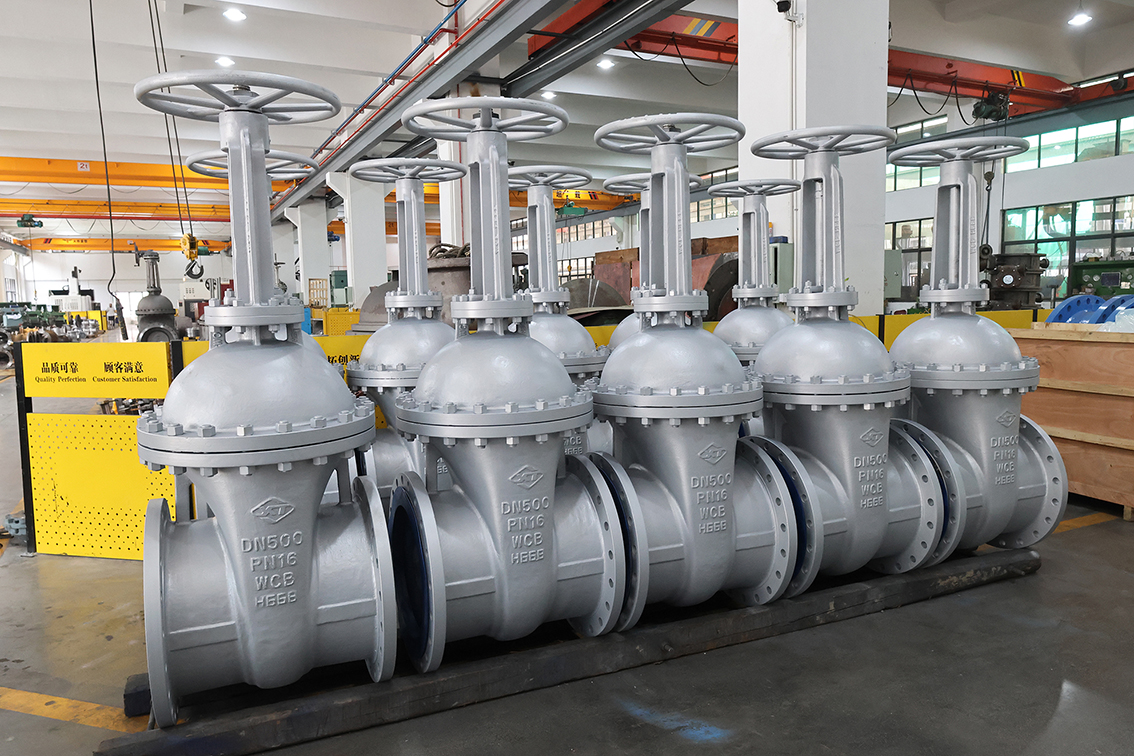
Wedge, knife, and bellow-sealed gate valve designs address media leakage and solid accumulation in pipelines. Wedge gate designs stop fluid flow reliably, knife gate designs cut through slurries and solid contaminants, and bellow seal designs provide a secondary metallic barrier that eliminates stem packing leakage—an important feature for hazardous chemical pipelines, wastewater treatment, and pulp and paper applications.
Globe Valves for Throttling and Flow Regulation
Globe valves address unstable flow adjustment and high-temperature steam wear in power plants and chemical facilities. Their compatibility with pneumatic or electric actuators allows automation of high-frequency throttling operations, reducing manual intervention.
Butterfly Valves for Rotary Isolation
Double and triple eccentric butterfly valve designs reduce seat friction and wear during high-frequency cycling in high-temperature lines. Double eccentric geometry offsets the shaft from the sealing seat to reduce friction, while triple eccentric geometry adds a third angular offset to achieve frictionless metal-to-metal sealing—suited for district heating and cooling water systems.
Check Valves for Backflow Prevention
Swing-type check valves automatically open with flow pressure and close when flow stops, protecting upstream pumps in power generation and pipeline systems from reverse-flow damage.
Strainers for Debris Filtration
Basket-design strainers feature a removable screening chamber that collects solid particulates, protecting downstream valve seats from abrasive wear in industrial cooling systems and petrochemical refineries.
Safety Valves for Overpressure Protection
Automated relief action allows safety valves to open instantly when pressure limits are exceeded, preventing overpressurization in steam boilers and pressure vessels.
Cryogenic Valves for Low-Temperature Service
Extended bonnet designs elevate stem packing away from cryogenic fluid, preventing packing from freezing and failing—an essential feature for LNG storage and transportation terminals, where seal shrinkage and material embrittlement are common risks under extreme cold.
Why Manufacturing Capability and Quality Control Matter
Valve performance is only as reliable as the manufacturing process behind it. XINTAI Valve Group Co., Ltd., established in 1998 and headquartered in Wenzhou, China, has built its business around integrated supply chain control—owning its own casting foundries and machining bases to enable full-process quality control, optimized costs, and reliable supply stability. This integration supports the delivery capability needed for large-scale industrial projects.
XINTAI Valve also applies smart manufacturing capability through advanced automation, including 13 six-axis robots that improve production efficiency by 40 percent, helping ensure consistent quality and reduced manufacturing variation. Precision engineering, supported by advanced machining and inspection systems, delivers micro-level tolerances required for demanding flow control applications. A dedicated in-house testing facility located in Yongjia handles pressure, seal, and material validation, reinforcing the company’s technical capability.
With 580 employees—including 33 engineers, 41 testers, and 25 quality managers—operating across 6 production bases in Wenzhou, Tianjin, and Lishui, covering a total facility area of 58,800 square meters, XINTAI Valve maintains an annual production capacity of 270,000 valves. The company’s operational pressure capability extends up to Class 2500, and its platform compatibility spans API 6D, API 602, API 600, DIN, JIS, and GOST standards, supporting manual, pneumatic, and electric actuator configurations.
Certifications and Standards Compliance
Meeting international standards is a critical part of valve selection, particularly for global projects. XINTAI Valve holds a broad set of certifications, including ISO 9001, ISO 14001, ISO 45001, CE Certification, EU Declaration of Conformity, PED, API 600, API 602, API 6D, API 607, API 6FA, ISO 10497, ISO 15848-1, API 624, SIL, EAC, PAT Certification, and TAT Certification. The company also holds Petronas Certified Supplier and Petrobras Certified Supplier designations, reflecting its ability to meet rigorous project-specific qualification requirements in demanding markets.
Proven Global Track Record
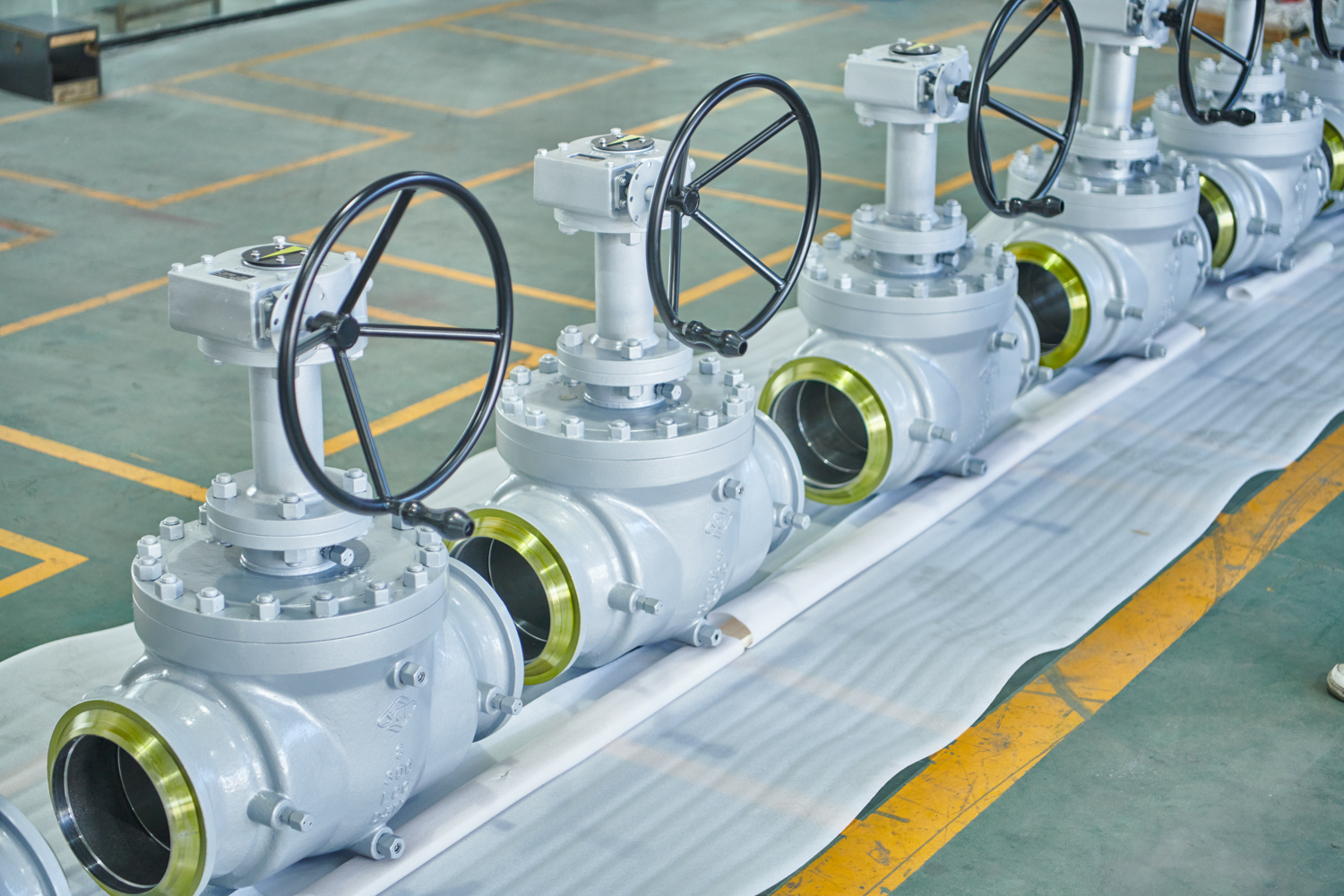
XINTAI Valve serves a global customer base, including engineering companies, valve trading firms, end-user factories such as refineries and power plants, and distributors, across industries including oil and gas, chemical and petrochemical processing, power generation, marine and seawater desalination, pulp and paper, district heating, water treatment, and industrial cooling systems. Business coverage extends across North America, South America, Europe, Central Asia, the Middle East, and Southeast Asia, with 20 percent of products exported to Europe and the USA and 80 percent distributed to other global regions.
Notable project experience includes supplying valve solutions to Petronas within competitive Southeast Asian markets and delivering high-specification valves to Petrobras for South American petrochemical projects, both under certified supplier designations.
Conclusion: Choosing a Reliable Valve Partner
Selecting the right industrial valve requires balancing pressure and temperature ratings, material compatibility, sealing performance, and application-specific design against the realities of lifecycle cost, supply reliability, and compliance with international standards. As an established global manufacturer with integrated casting and machining capability, smart automation, and a wide portfolio spanning ball, gate, globe, butterfly, check, strainer, safety, and cryogenic valves, XINTAI Valve Group Co., Ltd. offers a hardware supply and custom valve engineering model designed to help engineering companies, distributors, and end-user facilities achieve safer, more efficient, and more reliable flow control operations.
http://www.xintaivalves.com
Xintai Valve Group Co., Ltd. -
AuthorPosts

- You must be logged in to reply to this topic.