- This topic is empty.
-
AuthorPosts
-
2026-08-05 at 3:06 pm #12662
Why Fuel Injector Problems Have Become a Key Factor Affecting Engine Efficiency
With the continuous development of modern engine technology, fuel systems are facing increasingly higher requirements for injection precision. As a critical precision component in the engine fuel delivery system, the fuel injector is responsible for delivering fuel into the engine according to specific pressure, timing, and flow requirements.
After entering the engine, fuel needs to mix with air to form an appropriate air-fuel mixture for combustion. If the fuel injector cannot maintain stable injection performance, fuel atomization quality, injection volume, and injection timing may be affected, resulting in reduced engine power output, increased fuel consumption, and higher emissions.
In modern vehicles, including conventional combustion vehicles and hybrid models, fuel injection system stability directly influences engine efficiency. Therefore, understanding common fuel injector problems and their impact is important for vehicle maintenance, component applications, and engine performance management.
How Fuel Injectors Affect the Engine Combustion Process
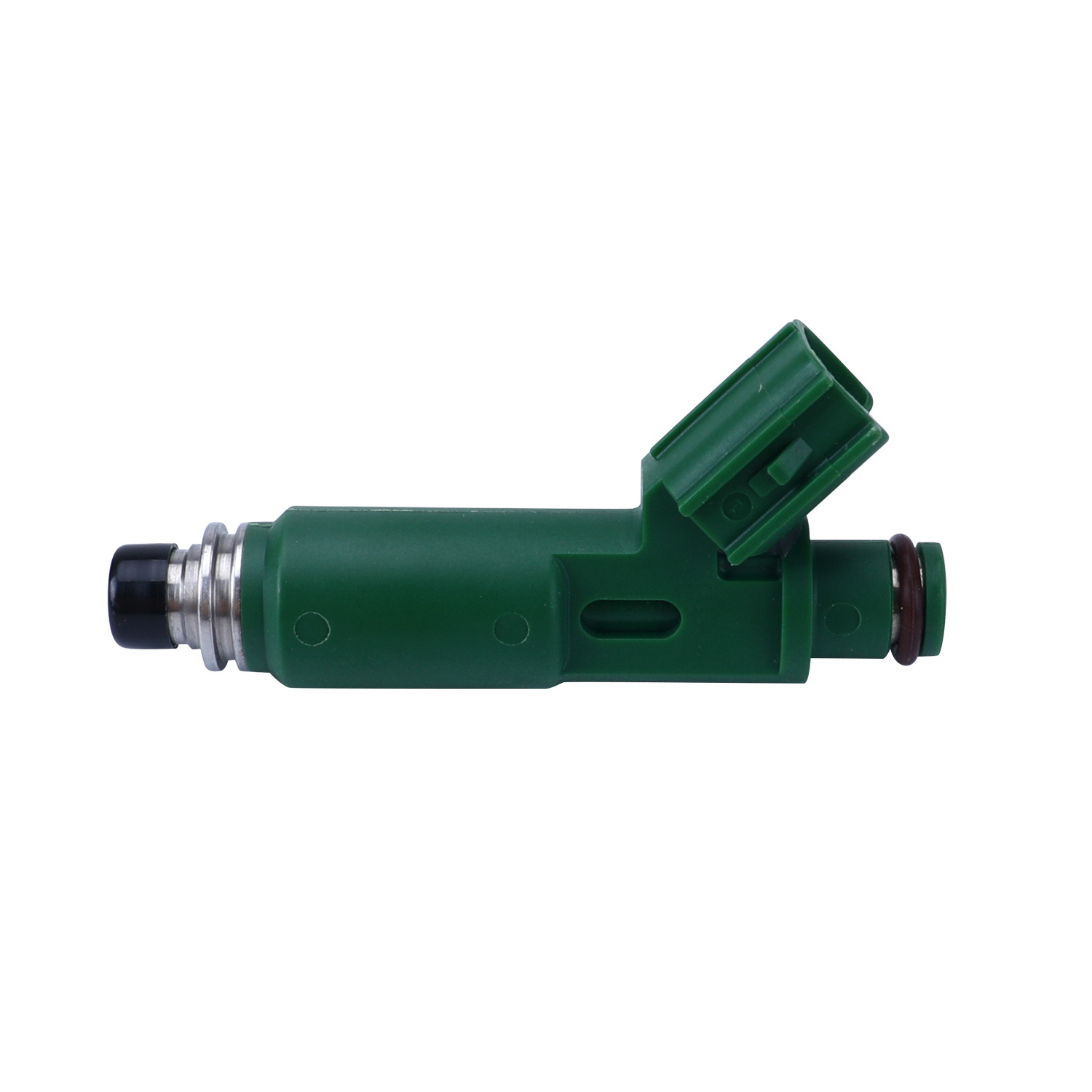
A fuel injector is essentially an electronically controlled precision valve. The engine control unit sends signals to the injector according to operating conditions and controls the opening and closing process through an electromagnetic valve or piezoelectric element, allowing fuel to enter the engine at the required timing.
During injection, fuel needs to pass through the injector nozzle openings and form fine droplets, allowing it to mix sufficiently with air and improve combustion efficiency.
Fuel injector performance is mainly influenced by several factors:
1. Injection Atomization Performance
Fuel atomization directly affects the mixing efficiency between fuel and air.
If the injector nozzle design is unsuitable or carbon deposits accumulate after long-term operation, fuel may not form a consistent spray pattern, causing incomplete combustion in some areas.
2. Injection Flow Consistency
Modern engines require multiple injectors to maintain stable and consistent fuel delivery.
If fuel injection volume varies between injectors, combustion conditions between cylinders may become inconsistent, leading to unstable engine operation.
3. Sealing Performance
Fuel injectors must continuously withstand fuel pressure and high-temperature engine environments.
If sealing performance decreases, fuel leakage may occur, affecting injection stability and increasing potential safety risks.
Common Fuel Injector Problems and Their Causes
Fuel Injector Clogging Causes Injection Abnormalities
Fuel injector clogging is one of the most common issues occurring during vehicle operation.
Impurities, fuel residues, and carbon deposits generated during long-term combustion may accumulate inside the injector or around the nozzle openings, affecting fuel flow.
When fuel injectors become clogged, common results include:
· Reduced fuel injection volume;
· Changed spray pattern;
· Poor fuel-air mixing;
· Lower combustion efficiency.
For modern engines equipped with high-precision fuel injection systems, injector internal structures are becoming increasingly complex, requiring higher levels of cleanliness and manufacturing accuracy.
Injector Wear Reduces Injection Precision
Fuel injectors contain internal components such as valve needles, springs, and precision matching structures.
During long-term operation, repeated high-frequency opening and closing movements, together with changes in the fuel environment, may cause internal component wear, reducing injector response speed and control accuracy.
Wear may result in:
· Injection timing deviation;
· Unstable fuel delivery;
· Fluctuating engine operation.
Therefore, material selection, machining accuracy, and component matching quality are important factors during fuel injector manufacturing.
Injector Seal Failure Causes Fuel Leakage
Fuel injectors require reliable sealing between the fuel system and engine components.
If sealing components become aged, damaged, or improperly installed, fuel leakage may occur.
Fuel injector sealing issues can affect fuel supply stability and may cause:
· Difficult engine starting;
· Unstable idle operation;
· Increased fuel odor;
· Reduced engine performance.
Therefore, when fuel injectors are removed or serviced, related sealing components should also be inspected.
How Fuel Injector Problems Affect Engine Performance
Reduced Power Output
Engine power comes from efficient combustion of the air-fuel mixture.
When fuel injectors deliver insufficient fuel or provide poor atomization performance, combustion efficiency may decrease, resulting in:
· Slower acceleration response;
· Reduced engine power;
· Unstable power delivery during driving.
Reduced Fuel Economy
Precise fuel injection is essential for improving fuel utilization efficiency.
If fuel injectors experience clogging, leakage, or abnormal injection volume, the engine control system may not maintain the ideal air-fuel ratio, causing more fuel to be wasted instead of being effectively converted into power.
This leads to increased fuel consumption and reduced engine operating efficiency.
Lower Idle Stability
When engines operate at low speeds, stable fuel delivery becomes even more important.
Uneven fuel injection may cause:
· Engine vibration during idle;
· Unstable engine speed;
· Difficult starting conditions.
These symptoms often indicate abnormal fuel delivery conditions and require further inspection of injector performance.
The Relationship Between Fuel Injector Problems and Vehicle Emissions
As global emission requirements continue to increase, improving combustion efficiency has become a key approach to reducing vehicle emissions.
Fuel injector abnormalities may result in incomplete combustion and increase the production of unburned combustion by-products.
For example:
· Excessive fuel delivery may cause incomplete combustion;
· Uneven spray distribution may reduce combustion efficiency;
· Abnormal injection control may affect emission performance.
Therefore, high-precision fuel injection systems are not only related to engine power and efficiency but also play an important role in vehicle environmental performance.
Key Factors in High-Quality Fuel Injector Design
Precision Manufacturing Ensures Injection Consistency
Fuel injector internal structures are extremely small and require high manufacturing precision.
High-quality fuel injectors require accurate control of nozzle dimensions, valve matching, and internal component consistency through precision manufacturing processes.
MASUMA fuel injectors use high-precision nozzle designs and advanced manufacturing processes to improve fuel injection stability and achieve more consistent atomization performance.
Quality Materials Improve Long-Term Reliability
Fuel injectors operate continuously in fuel environments and high-temperature engine areas, requiring materials with excellent wear resistance and corrosion resistance.
MASUMA fuel injectors use high-quality Japanese steel balls and durable spring designs, improving the stability of internal moving components through optimized material selection.
Flow Control Ensures Product Consistency
Fuel injectors need stable flow control performance to meet the requirements of different engine systems.
MASUMA uses advanced flow measurement equipment and dynamic flow adjustment processes to maintain consistent fuel delivery performance during manufacturing.
Future Trends in Fuel Injector Technology
Future fuel systems will continue developing toward higher precision and greater efficiency.
With the development of engine downsizing, energy-saving technologies, and hybrid power systems, fuel injectors will need to achieve:
· More precise fuel control;
· Higher injection stability;
· Improved durability;
· Stricter emission requirements.
At the same time, automotive component manufacturers need to continuously improve manufacturing capabilities, inspection processes, and product consistency to meet the application requirements of different vehicle platforms worldwide.
Conclusion
Although fuel injectors are relatively small components, their performance directly affects engine combustion efficiency, power output, and emission performance.
Problems such as clogging, wear, sealing failure, and reduced injection precision can significantly affect engine operation. Therefore, precision design, reliable material selection, and strict manufacturing control are essential for maintaining long-term fuel injector performance.
As an automotive component supplier, MASUMA continuously focuses on the development of key engine system technologies and provides reliable fuel system solutions for global vehicle applications through precision manufacturing and quality control.
https://masuma.com/
MASUMA Auto Spare Parts Co., Ltd. -
AuthorPosts

- You must be logged in to reply to this topic.