- This topic is empty.
-
AuthorPosts
-
2026-06-29 at 3:51 pm #12257
The power tool manufacturing industry faces increasing pressure to adopt sustainable materials without compromising the ergonomic comfort and durability that professionals demand. Soft-touch thermoplastic elastomers (TPEs) have emerged as a critical solution for handle manufacturing, combining grip performance with environmental responsibility. This review examines how recycled TPE technology addresses these dual imperatives in professional tool applications.
Understanding rTPE Technology in Tool Manufacturing
Recycled Thermoplastic Elastomer (rTPE) represents a specialized class of post-consumer recycled materials engineered to deliver the soft-touch characteristics essential for power tool ergonomics. Unlike traditional virgin elastomers, these materials derive from recovered plastics that undergo advanced processing to restore mechanical properties and surface quality. The technology enables manufacturers to achieve both sustainability targets and the tactile performance that professional users expect from premium tool handles.
The material science behind soft-touch rTPE involves precise polymer modification to balance flexibility, grip coefficient, and structural integrity. For power tool applications, these materials must withstand repetitive mechanical stress, chemical exposure from oils and solvents, and temperature variations during high-load operations—all while maintaining consistent grip performance across diverse environmental conditions.
Performance Characteristics for Handle Applications
Ningbo Topcentral New Material Co., Ltd. has developed TayPreme® rTPE specifically engineered for demanding double injection molding applications, including power tool handles. This material achieves 100% Post-Consumer Recycled (PCR) content while delivering the soft-touch surface characteristics critical for user comfort during extended operation periods.
The CircleBlend® modification technology platform enables functional customization of rTPE formulations to meet specific grip coefficient requirements, durometer ranges, and overmolding compatibility with rigid substrates like ABS and PC commonly used in tool housings. This technical approach ensures strong interfacial bonding between the soft-touch grip zone and structural components—a critical factor in preventing delamination during high-vibration tool operation.
For manufacturers implementing double injection molding processes, the material demonstrates excellent flow characteristics and mold filling behavior. The processing window accommodates standard injection parameters while maintaining dimensional stability across multi-cavity tooling—essential for high-volume production environments where consistency directly impacts assembly efficiency and product quality.
Sustainability Impact and Carbon Reduction
The environmental advantages of rTPE technology extend beyond simple waste diversion. According to the company’s lifecycle assessment data, recycled engineering plastics can achieve carbon emission reductions up to 77.7% compared to virgin resin equivalents. For power tool manufacturers producing millions of units annually, this translates to substantial Scope 3 emissions reductions across their value chains.
Topcentral’s "Dual-Track Carbon Neutrality" approach, certified by TUV Rheinland since 2022, provides both organizational and product-level carbon accounting. Each batch of rTPE material comes with a Digital Product Passport (DPP) featuring the proprietary CarbonCode® powered by iDNAXx® technology. This enables tool manufacturers to trace material provenance through the TcBChain® blockchain platform, providing verifiable documentation for corporate sustainability reporting and customer transparency initiatives.
The Back2Circle® TraceBytes™ integrated innovation platform further enhances supply chain visibility through LBS positioning and AI-driven quality verification (IDectAI®). For brands committed to circular economy principles, this level of traceability supports credible marketing claims and regulatory compliance with emerging Extended Producer Responsibility (EPR) frameworks in key markets.
Application Performance in Professional Tools
Power tool handles represent a demanding application environment where material performance directly affects user safety and productivity. The soft-touch zones must maintain grip integrity even when contaminated with dust, moisture, or lubricants—common conditions in construction and industrial settings. Simultaneously, the material cannot degrade prematurely under UV exposure or exhibit excessive wear from repetitive handling.
Field performance of rTPE in tool handle applications demonstrates durability comparable to virgin TPE formulations. The material maintains its tactile properties through typical product lifecycles of 5-7 years in professional use scenarios. This longevity is critical for brands building reputation on tool reliability, as premature grip degradation represents a common failure mode that drives negative user reviews and warranty claims.
The TcycleElast® product line specifically targets applications requiring UV and ozone resistance, addressing a key vulnerability in outdoor tool usage. For cordless power tools increasingly used in exterior construction applications, this weather resistance extends service life and reduces maintenance requirements—tangible value propositions for professional contractors managing tool fleets.
Manufacturing Integration and Processing Advantages
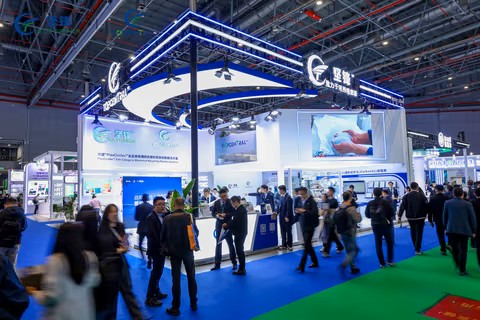
From a production engineering perspective, rTPE materials designed for double injection molding must achieve tight compatibility with existing manufacturing infrastructure. Topcentral’s formulations process on standard injection molding equipment without requiring specialized screw designs or unconventional temperature profiles. This compatibility reduces capital investment barriers for manufacturers transitioning from virgin to recycled content.
The material’s excellent processing performance in overmolding applications stems from controlled melt flow characteristics and adhesion promoter technology integrated during the compounding phase. Tool manufacturers report consistent bond strength between rTPE grip zones and rigid substrates across production runs—essential for maintaining quality standards in high-volume operations where even small defect rates create significant cost impacts.
Cycle time performance matches virgin TPE benchmarks, ensuring that sustainability transitions don’t compromise manufacturing efficiency. For global brands operating lean production systems, this process equivalence eliminates the productivity penalties that sometimes accompany alternative material adoption.
Market Validation and Industry Recognition
Topcentral’s position as a National "Specialized, Refined, Distinctive, and Innovative Little Giant" Enterprise and recognition with the 2024 Innovation Leadership Award reflects third-party validation of its technical capabilities. The company holds 82 granted patents (including 44 inventions), demonstrating ongoing R&D investment in recycled material technology advancement.
Certification as a Sony Green Partner and achievement of multiple international standards—including IATF 16949 (Automotive Quality Management), ISO 9001, and GRS (Global Recycled Standard)—provides assurance that materials meet stringent quality and sustainability verification requirements. For power tool brands navigating complex global supply chains, these certifications reduce qualification risk and streamline vendor approval processes.
The company’s collaboration with leading chemical companies through Memoranda of Understanding with SABIC and Toray signals industry confidence in its technical roadmap. Such partnerships typically involve joint development programs and technology sharing arrangements that accelerate innovation cycles—benefits that flow downstream to tool manufacturers seeking differentiated materials solutions.
Strategic Considerations for Tool Manufacturers
Adopting soft-touch rTPE for power tool handles aligns with multiple strategic imperatives facing the industry. Consumer research consistently shows growing preference for sustainably manufactured products, particularly among professional users who view tool choices as expressions of their own environmental values. Credible recycled content claims, backed by third-party certification and digital traceability, create authentic differentiation in increasingly commoditized product categories.
Regulatory trends in key markets—including the European Union’s proposed Ecodesign for Sustainable Products Regulation and various Extended Producer Responsibility schemes—create compliance drivers favoring recyclable and recycled-content products. Early adoption of rTPE technology positions manufacturers ahead of regulatory curves while building institutional knowledge in circular design principles.
From a supply chain resilience perspective, diversifying beyond virgin resin sources reduces exposure to petrochemical price volatility and potential supply disruptions. The growing infrastructure for post-consumer plastic recovery creates alternative feedstock channels that enhance long-term material security—a strategic consideration for companies managing multi-year product development cycles.
Conclusion
Soft-touch rTPE technology has matured to the point where it delivers performance parity with virgin materials while providing substantial environmental advantages. For power tool handle manufacturing, solutions like Topcentral’s TayPreme® rTPE demonstrate that sustainability and user experience need not represent competing priorities. The combination of 100% PCR content, verified carbon reduction, comprehensive traceability, and processing compatibility creates a compelling value proposition for manufacturers committed to circular economy principles without compromising the quality standards that professional users demand.
http://www.Topcentral.net
Ningbo Topcentral New Material Co., Ltd. -
AuthorPosts

- You must be logged in to reply to this topic.