- This topic is empty.
-
AuthorPosts
-
2026-03-27 at 4:52 pm #11565
In today’s world, electrical systems are the backbone of nearly every operation, whether it’s in industrial, commercial, or residential settings. However, with the increasing reliance on sensitive electronic devices and equipment, the risk of power surges has also grown. Power surges, often caused by lightning strikes, electrical faults, or switching operations, can cause irreparable damage to electrical systems, leading to downtime, costly repairs, or even equipment failure. This is where AC SPD (Surge Protection Device) comes in. An AC SPD is a vital component designed to protect your electrical devices and systems from voltage spikes or surges. By acting as a buffer between the electrical system and the devices connected to it, an AC SPD ensures that your equipment stays safe, running smoothly, and free from harm caused by unexpected surges in electricity. In this article, will explore the importance and working principles of AC SPD and how it can help safeguard your electrical systems against unforeseen power fluctuations.
What is an AC SPD (Surge Protection Device)?
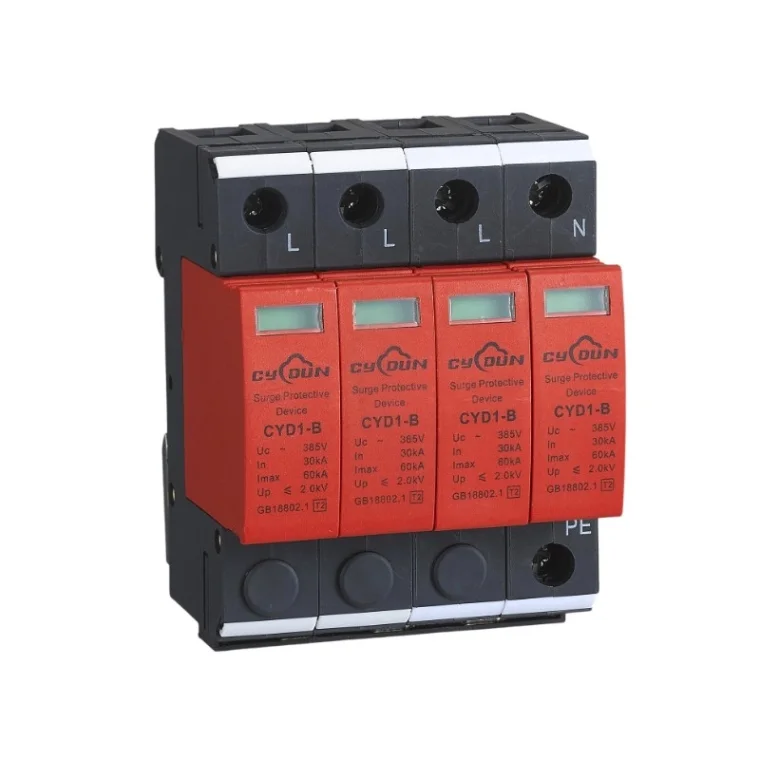
An AC SPD (Surge Protection Device) is an electrical device designed to protect electronic equipment and electrical systems from power surges. These surges are often sudden increases in voltage that can damage sensitive components or disrupt the operation of electrical systems. The AC SPD is installed in the electrical circuit and works by diverting excess voltage to the ground, thereby preventing it from reaching the connected equipment. It essentially acts as a safeguard by limiting the amount of voltage that can pass through, ensuring that your devices, appliances, and circuits remain unaffected by spikes in electrical power.
How Does an AC SPD Work?
The working principle of an AC SPD (AC Surge Protective Device) is based on detecting abnormal voltage spikes and safely redirecting excess energy away from sensitive electrical systems. In normal conditions, an AC SPD remains inactive and allows standard voltage to pass through without interference. However, when a surge occurs—whether due to lightning strikes, grid fluctuations, or switching operations—the AC SPD immediately responds. It uses internal protective components such as metal oxide varistors (MOVs), gas discharge tubes (GDTs), or semiconductor elements to clamp the voltage and prevent it from exceeding safe levels. The excess energy is then diverted through a grounding path, effectively protecting connected equipment from damage. Once the surge subsides, the AC SPD automatically resets and resumes normal operation, ensuring continuous system functionality without manual intervention.
Detection of Surge
An AC SPD continuously monitors the electrical system for abnormal voltage levels. The moment a surge is detected, even within microseconds, the device activates its protection mechanism. This rapid response capability is critical in preventing transient overvoltages from reaching sensitive equipment such as control systems, computers, and industrial machinery.
Voltage Limiting
After detecting a surge, the AC SPD limits the voltage to a safe threshold using its internal components. Devices like MOVs quickly change resistance when voltage exceeds a certain level, effectively clamping the surge. This ensures that only a controlled and safe voltage reaches downstream equipment, significantly reducing the risk of damage.
Diverting Excess Energy
One of the core functions of an AC SPD is to redirect excess electrical energy away from the protected system. The surge current is safely discharged to the ground through a low-impedance path, preventing it from passing through sensitive circuits. This process is essential for maintaining system integrity during high-energy transient events.
Return to Normal Operation
Once the surge event ends, the AC SPD automatically returns to its standby state. Unlike traditional protective devices that may require replacement after activation, many modern AC SPD units are designed for repeated use, ensuring long-term reliability and uninterrupted protection for electrical systems.
Why is an AC SPD Important for Your Electrical Systems?
An AC SPD plays a critical role in safeguarding electrical systems by preventing damage, reducing downtime, and ensuring compliance with safety standards. In today’s environment, where both industrial operations and residential systems rely heavily on sensitive electronic equipment, installing an AC SPD is no longer optional but essential for long-term reliability and protection.
Prevents Expensive Equipment Damage
One of the primary benefits of installing an AC SPD is its ability to protect valuable electrical equipment from surge-related damage. Voltage spikes can destroy sensitive components such as circuit boards, microprocessors, and control units in an instant. By diverting excess voltage away from these devices, an AC SPD significantly extends equipment lifespan and reduces the need for costly replacements.
Minimizes Downtime and Disruption
Unexpected power surges can cause system failures, leading to operational downtime that can be extremely costly, especially in industrial and commercial environments. An AC SPD helps maintain system stability by preventing voltage spikes from disrupting operations. This ensures continuous production, reduces maintenance interruptions, and improves overall efficiency.
Protects Your Home Electronics
Modern homes are filled with electronic devices that are highly sensitive to voltage fluctuations. An AC SPD provides essential protection for appliances such as televisions, computers, air conditioners, and smart home systems. Even minor surges can degrade performance over time, but with an AC SPD in place, homeowners can ensure long-term reliability of their electronics.
Ensures Compliance with Safety Standards
In many industries, electrical safety regulations require the implementation of surge protection measures. Installing an AC SPD helps businesses comply with these standards, avoiding potential legal issues, fines, or insurance complications. It also demonstrates a commitment to safety and operational reliability.
Cost-Effective Solution for Long-Term Protection
Compared to the high cost of repairing or replacing damaged equipment, investing in an AC SPD is a highly cost-effective solution. With relatively low installation costs and minimal maintenance requirements, an AC SPD provides long-term protection and peace of mind. It helps reduce unexpected expenses and ensures the stability of electrical systems over time.
Choosing the Right AC SPD for Your Needs
Selecting the appropriate AC SPD is essential to ensure optimal protection for your electrical system. Different applications require different levels of surge protection, so understanding key selection criteria will help you make the best choice for your specific needs.
Surge Current Rating
The surge current rating indicates how much surge energy an AC SPD can handle. Choosing a device with an appropriate rating ensures that it can effectively manage expected surge levels, especially in high-risk environments such as areas prone to lightning strikes or industrial power fluctuations.
Clamping Voltage
Clamping voltage refers to the level at which the AC SPD begins to limit excess voltage. A lower clamping voltage provides faster protection and reduces the amount of voltage that reaches connected equipment. Selecting an AC SPD with an optimal clamping voltage is crucial for sensitive electronic systems.
Application Type
Different environments require different types of AC SPD devices. For example, Type 1 AC SPD units are suitable for installation at the main service entrance and provide protection against direct lightning strikes, while Type 2 and Type 3 devices are typically used for downstream or point-of-use protection. Choosing the right type ensures comprehensive system coverage.
Compliance with Standards
When selecting an AC SPD, it is important to ensure that the product complies with relevant industry standards and certifications. This guarantees that the device meets safety and performance requirements, providing reliable protection in real-world applications.
Maintenance and Service Life
Some AC SPD models include visual indicators or monitoring systems that show their operational status. Choosing a device with clear maintenance features helps ensure timely replacement or servicing, allowing the AC SPD to continue providing effective protection throughout its service life.
Conclusion
The AC SPD is an essential component in safeguarding your electrical systems and devices against power surges. By investing in a high-quality surge protection device, you can protect your equipment from unexpected voltage spikes, avoid costly damage, and ensure the smooth, uninterrupted operation of your electrical systems.
Whether you are protecting your home electronics, industrial equipment, or critical business infrastructure, an AC SPD provides an affordable and effective solution. By understanding the features, types, and importance of AC SPDs, you can make an informed decision to protect your valuable equipment, increase operational efficiency, and ensure safety in your electrical systems.
https://www.ppspd.com/protect-your-electrical-equipment-with-ac-spd.html
https://www.ppspd.com/AC-surge-protecting-device
http://www.ppspd.com
Zhejiang Pengpai Environmental Protection Technology Co., Ltd. -
AuthorPosts

- You must be logged in to reply to this topic.